Day 1 – Arrival & Journey to the Highlands:
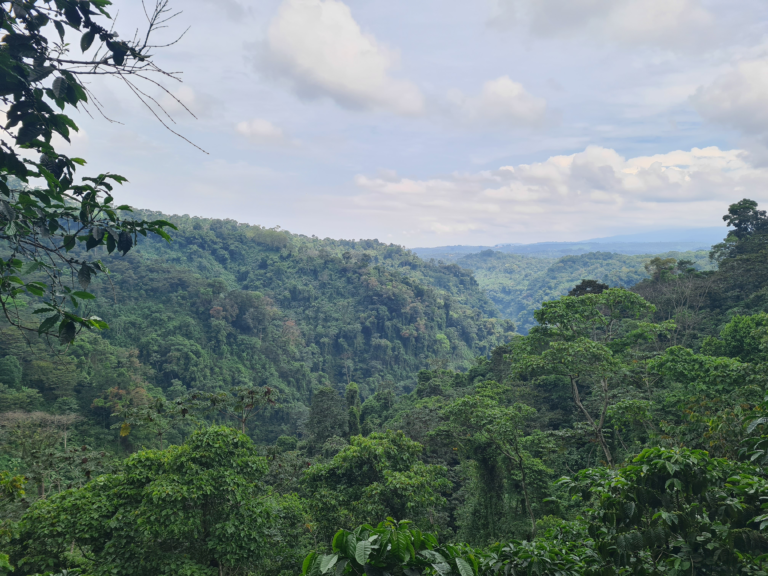
Arrive in Guatemala City and begin the long but beautiful journey to Quetzaltenango, better known as Xela. Along the way we’ll get our first glimpses of the western highlands. Dinner will introduce us to traditional Guatemalan flavors, and an evening orientation will set the stage for the days ahead.
Day 2 – Memory, History & Culture in Xela:
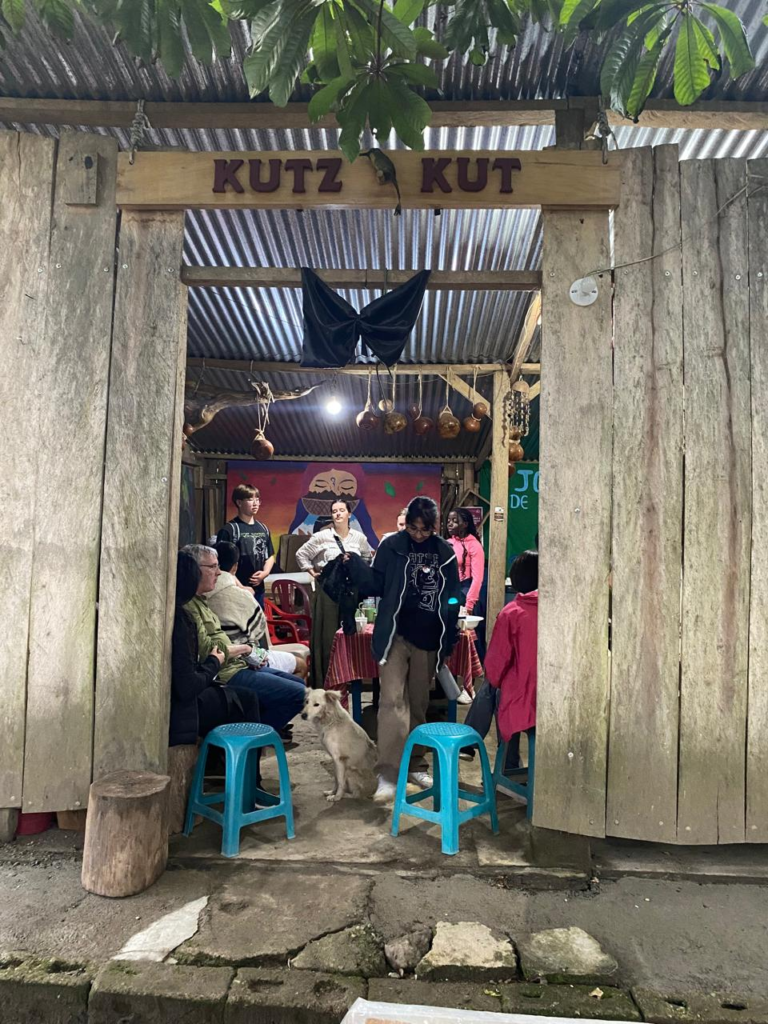
The day begins at the Parque Intercultural, where we explore Guatemala’s recent history through exhibits on indigenous identity, retrace the steps of the Molina Theissen human rights case, and learn about the struggle for historical memory. This encounter helps participants situate the civil war within broader questions of justice and reconciliation. After lunch at a local café, there is time to rest or explore Xela’s historic center. We’ll then have a chance to brush up on and practice our Spanish, learning to cook our dinner – one of Guatemala’s national dishes – with the help of a local Spanish teacher and her family.
Day 3 – Arrival in Santa Anita La Unión & Coffee 101:
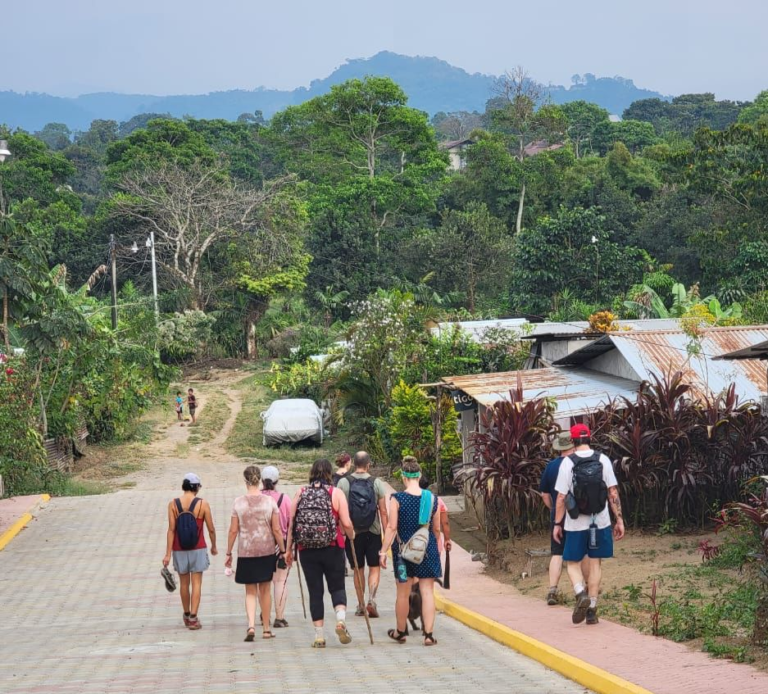
After breakfast, we travel to Santa Anita La Unión, a community founded by former guerrilla combatants and their families after the Peace Accords. An orientation introduces us to the families who will host us and the cooperative structures that sustains the town. Our first “Coffee 101” session takes us into the fields, learning the seed-to-cup process directly from the farmers. In the evening, we watch a documentary that deepens our understanding of the civil war, its legacies and the community itself.
Day 4 – Immersion in Coffee Work & Oral Histories:
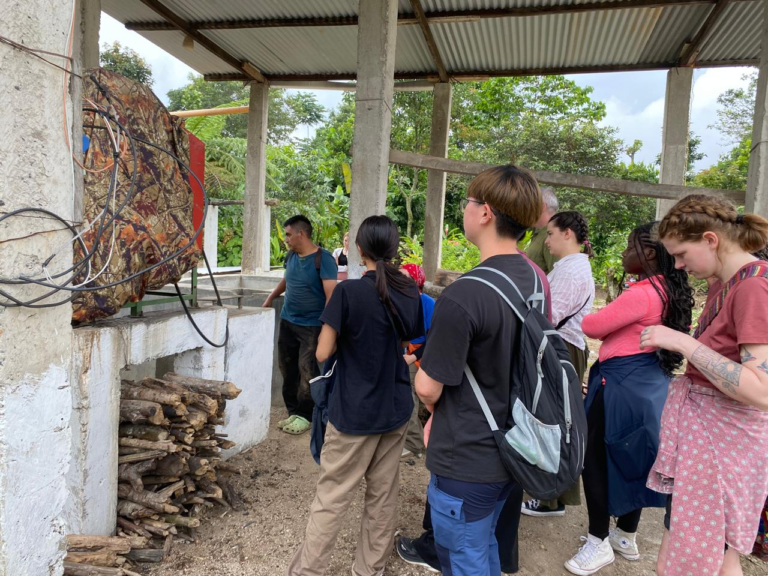
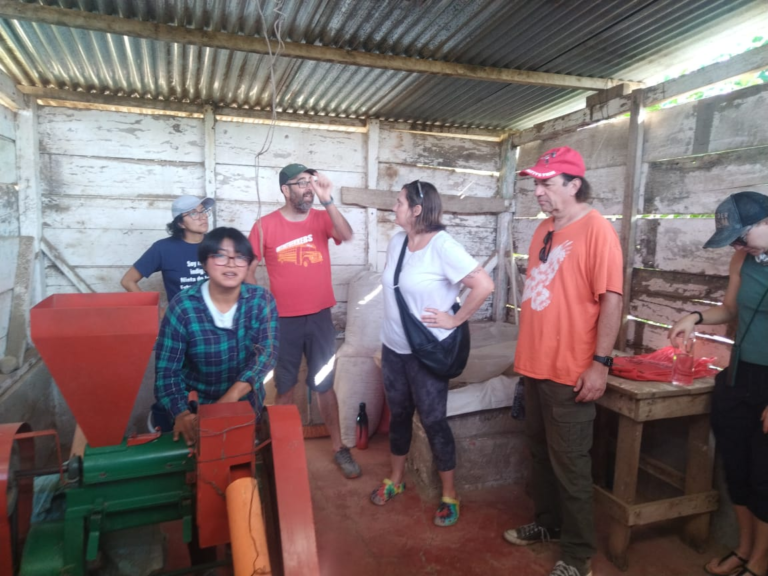
We join farmers in the coffee fields and at the wet mill, gaining hands-on experience with the harvest and processing, providing an insight into the labor and precision involved in coffee production. In the evening we will share an open dialogue with members of the community, hearing first hand accounts of the armed struggle, the difficult transition to peace and day to day life. This is an opportunity for a candid reflection on the human costs of conflict and the possibilities of reconciliation.
Day 5 – Coffee 201 – From Dry Milling to Roasting:
The day begins with more fieldwork, giving us a deeper appreciation of the daily realities of coffee farming. Later, we build on prior learning through “Coffee 201″, where we follow coffee’s transformation from parchment to green and roasted beans. This includes hands-on exposure to the dry mill, cleaning, roasting, and bagging processes that prepare coffee for both local consumption and international markets.
Day 6 – Coffee 301 & Community Celebration:
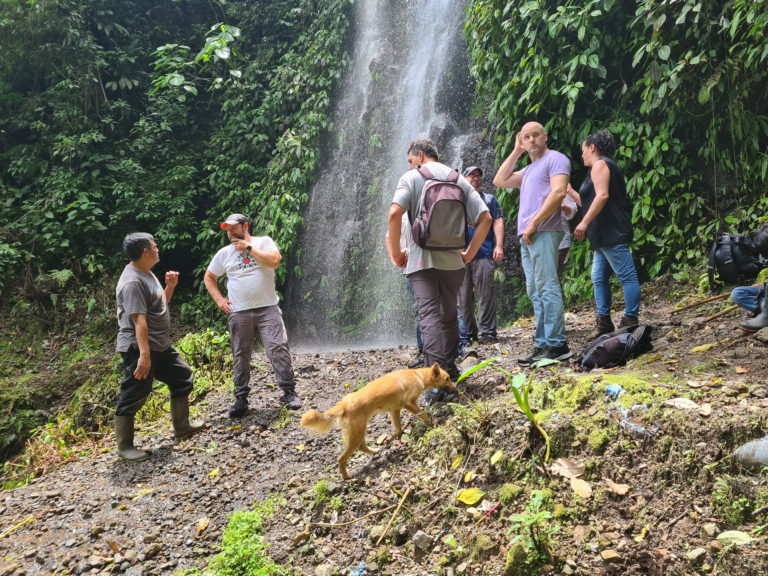
A morning excursion to nearby waterfalls offers reflection on the natural environment that sustains both community life and coffee cultivation. The program then shifts to “Coffee 301″, a more analytical session exploring commercialization, cooperative strategies, and the structural challenges of the coffee economy. We close our stay with a community potluck, celebrating cultural exchange and the relationships formed with our host families.
Day 7 – Farewell to Santa Anita and journey to Antigua Guatemala:
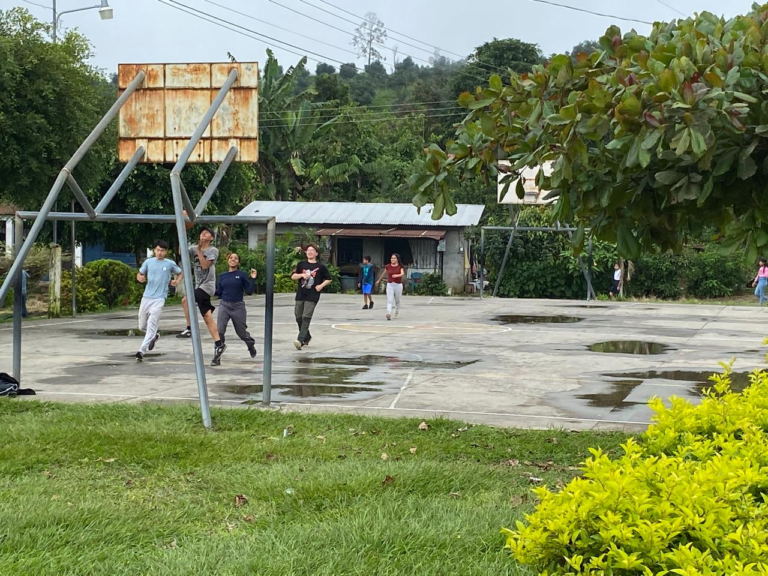
We close our time in Santa Anita with a relaxed morning and a pick game of football or basketball with local youth, before saying farewell to our host families and traveling to Antigua (a UNESCO World Heritage site) in the afternoon. Once settled, we’ll have time to wander the cobblestone streets, explore historic plazas, and soak up the colonial charm while appreciating the change of pace and environment.
Day 8 – Remembering Luis de Lión:
We begin at the nearby Museo Luis de Lión, honoring the educator, poet, and victim of state violence whose legacy connects cultural creativity with the struggle for justice. We return to Antigua and have a free afternoon – time to explore, gift shop or just relax. The day ends with space for group reflection on everything we’ve learned and shared so far, before a final goodbye dinner.
Day 9 – Departures:
We transfer to the airport for international departures, where we say farewell to Guatemala, carrying home lessons, memories, and connections that will last far beyond the trip.