Day 1 – Arrival & First Steps in the City:
Arrive in Guatemala City and settle into the rhythm of the capital. We’ll take an afternoon wander downtown, exploring the central plaza and surrounding streets, before gathering for an orientation dinner. This first evening is a chance to get to know one another and set the stage for the days ahead.
Day 2 – Memory & Historical Truth:
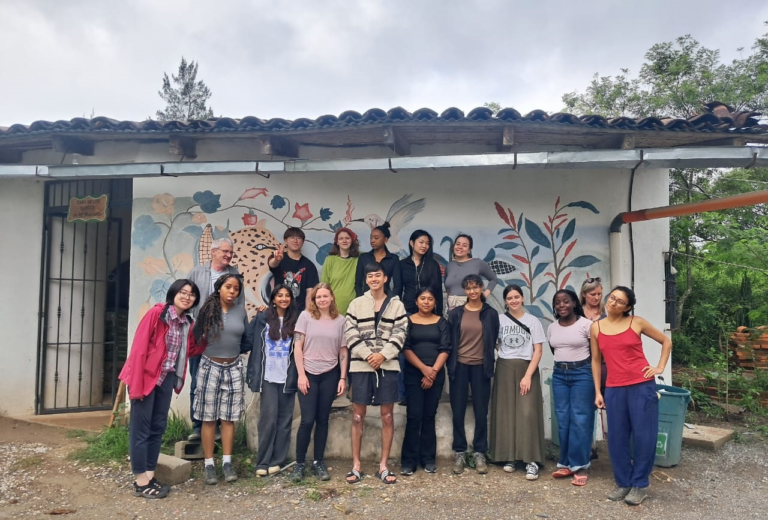
The morning is spent at the Casa de la Memoria, where an interactive walk through time takes us from colonization to the internal armed conflict and the Peace Accords, revealing Guatemala’s overlooked and often forgotten histories. In the afternoon, we travel to Rabinal, where we are welcomed by Qachuu Aloom, an organization rooted in the revival of ancestral crops and food sovereignty, and in supporting Maya Achí families—many of whom are survivors and descendants of the Río Negro massacres. After dinner prepared by Qachuu Aloom, we’ll gather to reflect on the the day under the evening stars.
Day 3 – Food, Identity & Testimony:
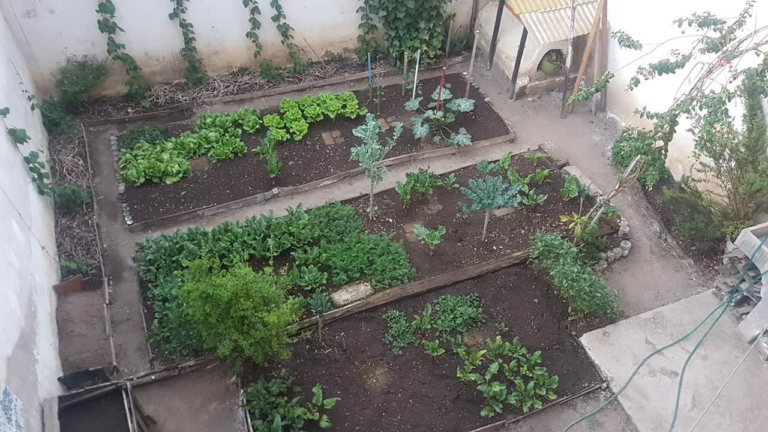
In the morning, we visit ACPC, an organization dedicated to defending land, strengthening community livelihoods, and supporting sustainable farming in the face of the climate crisis. Working in the heart of Guatemala’s dry corridor, ACPC highlights the challenges of water scarcity, soil degradation, and climate vulnerability—and local strategies of adaptation. After a farm-to-table lunch, we return to Qachuu Aloom for an amaranth workshop. A “super grain” of Mesoamerica, amaranth embodies resilience: we learn its history, uses, and even make our own energy bars. This day weaves together food, climate, and identity, grounding us in how communities sustain life and culture against multiple threats. In the evening, we hold space with members of Asociación 13 de Marzo, survivors of the Río Negro massacres and displacement, who recount their stories to help us prepare for the days ahead in the community itself.
Day 4 – Journey into Río Negro: Stories Along the River:
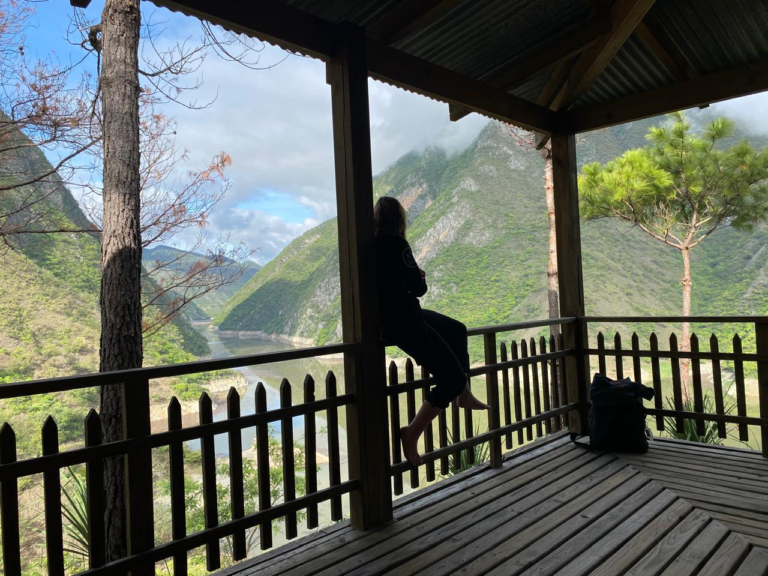
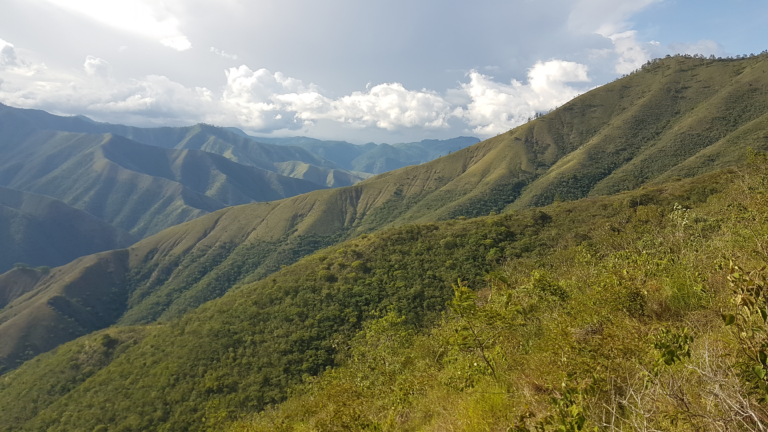
The morning begins with a rugged pick-up ride high into the mountains, followed by a challenging two-hour hike guided by a community member. Along the way, we stop at the Pak’oxom Memorial to bear witness to one of the darkest moments of the conflict, before continuing to the Río Negro community guest center. After lunch, there is time for quiet reflection on the physical and emotional journey. In the evening, a documentary deepens our understanding of the country’s history and the resilience of this community.
Day 5 – Archaeology, Weaving & Daily Life:
We shift gears with a visit to the archaeological site of Río Blanco, where we connect the ancient past to the living present. In the afternoon, we join the women of the community to learn the art of backstrap weaving and other traditional crafts—ancestral skills that carry both economic value and cultural meaning. The evening offers time to relax, play cards, or share stories with our hosts.
Day 6 – Fragments of Memory & Farewell to Río Negro:
Our final day in the community begins with a visit to Río Negro’s small museum, where recovered fragments of daily life tell the story of displacement and survival in the wake of the Chixoy Dam. Later, we gather with community elders for stories, questions, and dialogue across generations. We close the night with a bonfire, a chance to celebrate resilience and say farewell to this remarkable place.
Day 7 – Art, Memory, and New Perspectives:
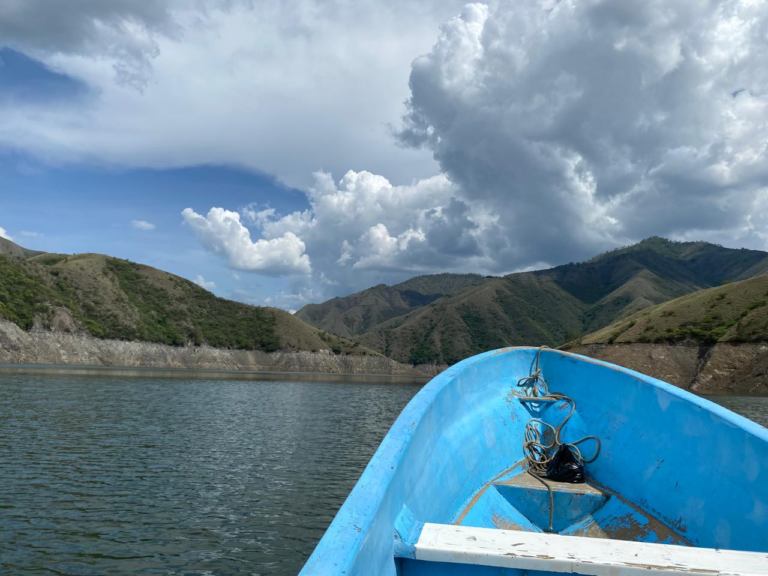
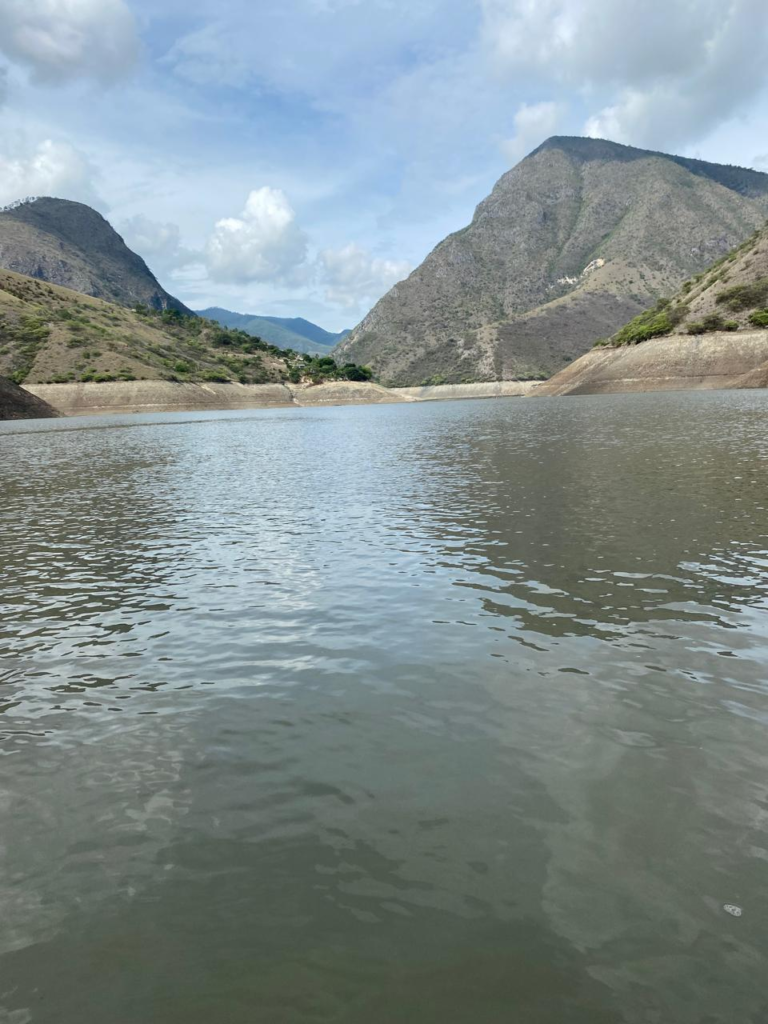
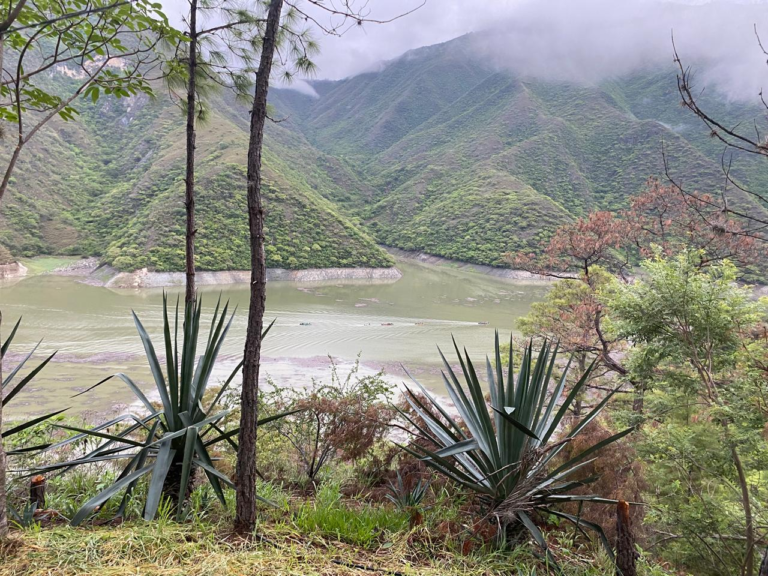
We leave Río Negro by boat, traveling downstream toward the imposing Chixoy Dam before continuing by road to San Cristóbal Verapaz. After lunch, we explore the town and visit the Casa de Arte, a home dedicated entirely to painting and sculpture. The day closes with dinner and space for group reflection on our time in Río Negro, processing the experiences and stories.
Day 8 – Mapping the Journey:
In the morning we return to Guatemala City. After lunch, we visit the Relief Map, a monumental 3D sculpture that brings Guatemala’s geography to life and helps us trace the path of and appreciate our journey. We take the opportunity to reflect and what we’ve learnt and how it might shape what comes next. Our final evening together is spent sharing a celebratory dinner at a rooftop restaurant.
Day 9 – Departures:
We transfer to the airport for international departures, saying farewell to Guatemala while carrying home lessons, memories, and connections that will last far beyond the trip.